
The holiday season is a time to switch off, recharge, and celebrate — but for cybercriminals, it is often the busiest time of the year. With many businesses running on smaller teams, staff working remotely, and inboxes full of festive promotions, attackers know it is the perfect moment to strike. From Christmas-themed phishing scams to unauthorised access attempts on neglected accounts, the risks rise sharply in December.
That is why following practical holiday cybersecurity tips is essential. Securing access before staff head out for their break ensures systems stay protected even when offices are quiet. Whether it is tightening login controls, reminding users to stay alert to suspicious messages, or reviewing access permissions, taking action before the holidays can save organisations from disruption during their most vulnerable weeks.
In this blog, we will explore how to ensure secure access during the holiday season, highlight the threats most likely to surface in December, and share simple steps that keep both data and people safe — so you can enjoy the festivities with peace of mind.
Holiday-Specific Cybersecurity Risks
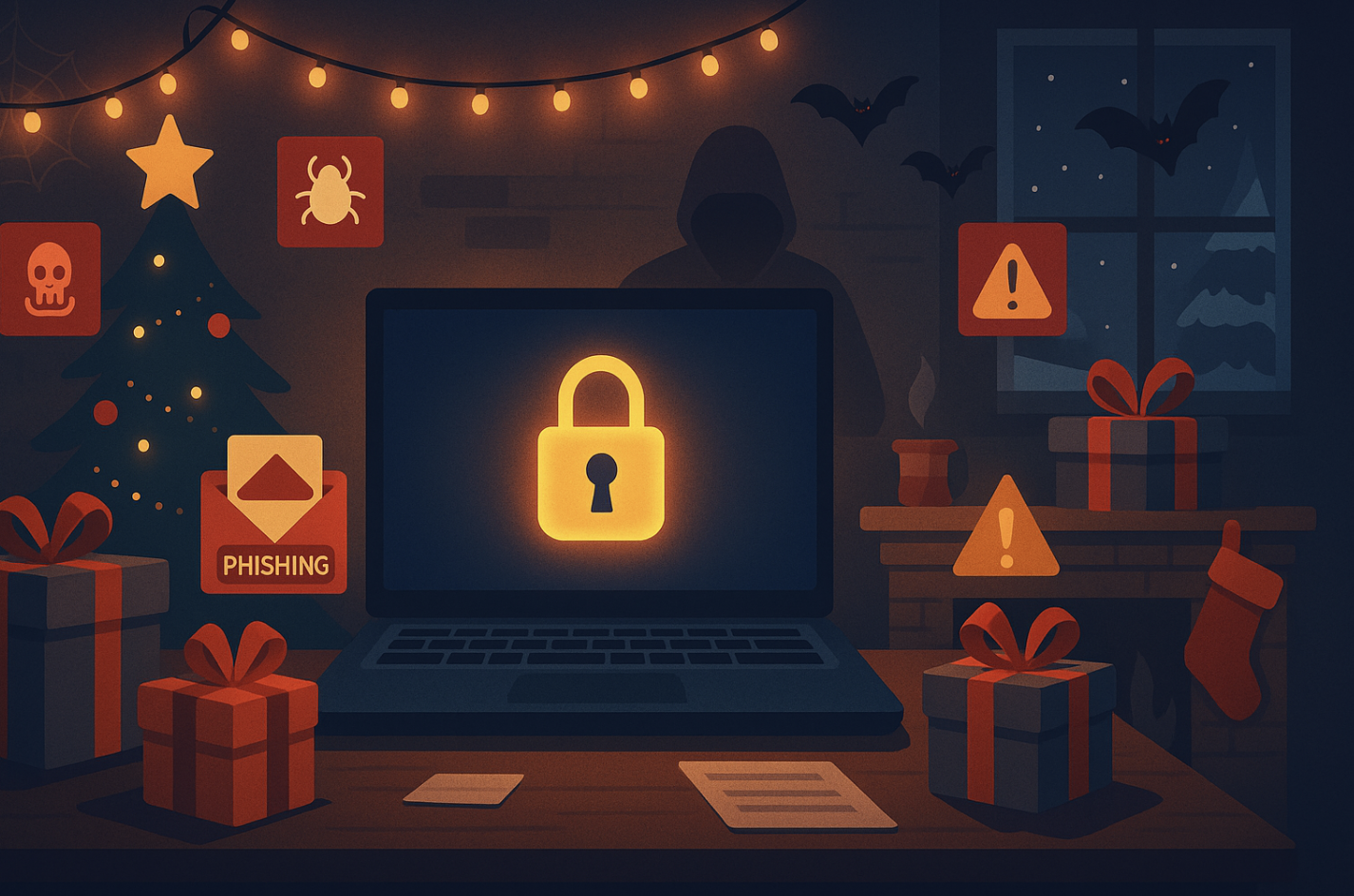
The festive period creates a unique set of risks for businesses and institutions. While many people are winding down, cybercriminals see an opportunity to exploit distractions, smaller IT teams, and the rise in seasonal online activity. Understanding these risks is the first step in defending against them.
Phishing with a Festive Twist
December brings a surge in phishing scams disguised as holiday emails. Fake parcel delivery updates, online shopping receipts, and charity donation requests all appear more convincing at this time of year. A single click on one of these messages can expose login credentials or unleash malware.
Remote Access While Travelling
With staff logging in from airports, hotels, or relatives’ homes, secure networks are often replaced with unprotected Wi-Fi. Attackers can exploit these connections to intercept data or gain access to business systems. Remote access is convenient, but without precautions, it can also be risky.
Reduced Staffing and Slower Response
Over the holidays, IT and security teams often operate with fewer people on duty. This means unusual activity or alerts might go unnoticed for longer. Attackers are aware of this gap and may time their attacks to take advantage of slower responses.
Dormant or Forgotten Accounts
Seasonal downtime can also leave accounts unused for weeks. If these accounts are not properly monitored or disabled, they can become easy entry points for attackers — especially if old passwords have not been updated.
Holiday Access in Action
When Preparation Falls Short Case Study: Target Data Breach (2013)
During the busy Christmas shopping season of 2013, Target—one of the largest retailers in the U.S.—became the victim of a massive data breach. Attackers infiltrated Target’s systems and stole credit card and personal data of tens of millions of customers. The timing made it especially damaging because it occurred right when consumer activity was high and trust is crucial.
How the breach occurred
The attackers gained initial access through a third-party vendor: Fazio Mechanical Services, a contractor providing HVAC (heating, ventilation, and air conditioning) services. That vendor had access credentials to parts of Target’s network for tasks like monitoring temperature in stores. Cybercriminals acquired those credentials and used them to move laterally into Target’s broader network.
Once inside, they deployed malware (notably BlackPOS) on point-of-sale (POS) systems, which collected payment card data as transactions occurred. The stolen data was exfiltrated over time while remaining under the radar due to failures in acting on alerts.
What happened to them / impact
- Around 40 million credit and debit card accounts were compromised.
- Personal details (names, email addresses, phone numbers, postal addresses) of up to 70 million additional customers were also accessed.
- Financial loss, lawsuits, regulatory scrutiny, and a major reputation hit followed.
- The breach tarnished consumer trust and highlighted weaknesses in how large retailers managed vendor access.
What they did afterward / what they’re doing to avoid it again
- They improved vendor management: stricter vetting, limited access permissions, and more oversight over vendor systems.
- Network segmentation: isolate critical systems (like POS) so that a vendor or lesser system breach couldn’t easily spread.
- Enhanced monitoring & incident response: more responsive to alerts and anomalies.
- Deployment of security tools like tokenization of card data, encryption, and more robust detection systems.
- Strengthening authentication: ensuring stronger login security, use of MFA, and reducing reliance on single credentials for critical systems.
Stories like these highlight why preparation is so important during the festive period. Attackers often rely on distraction, low staffing, and seasonal scams to catch organisations off guard.
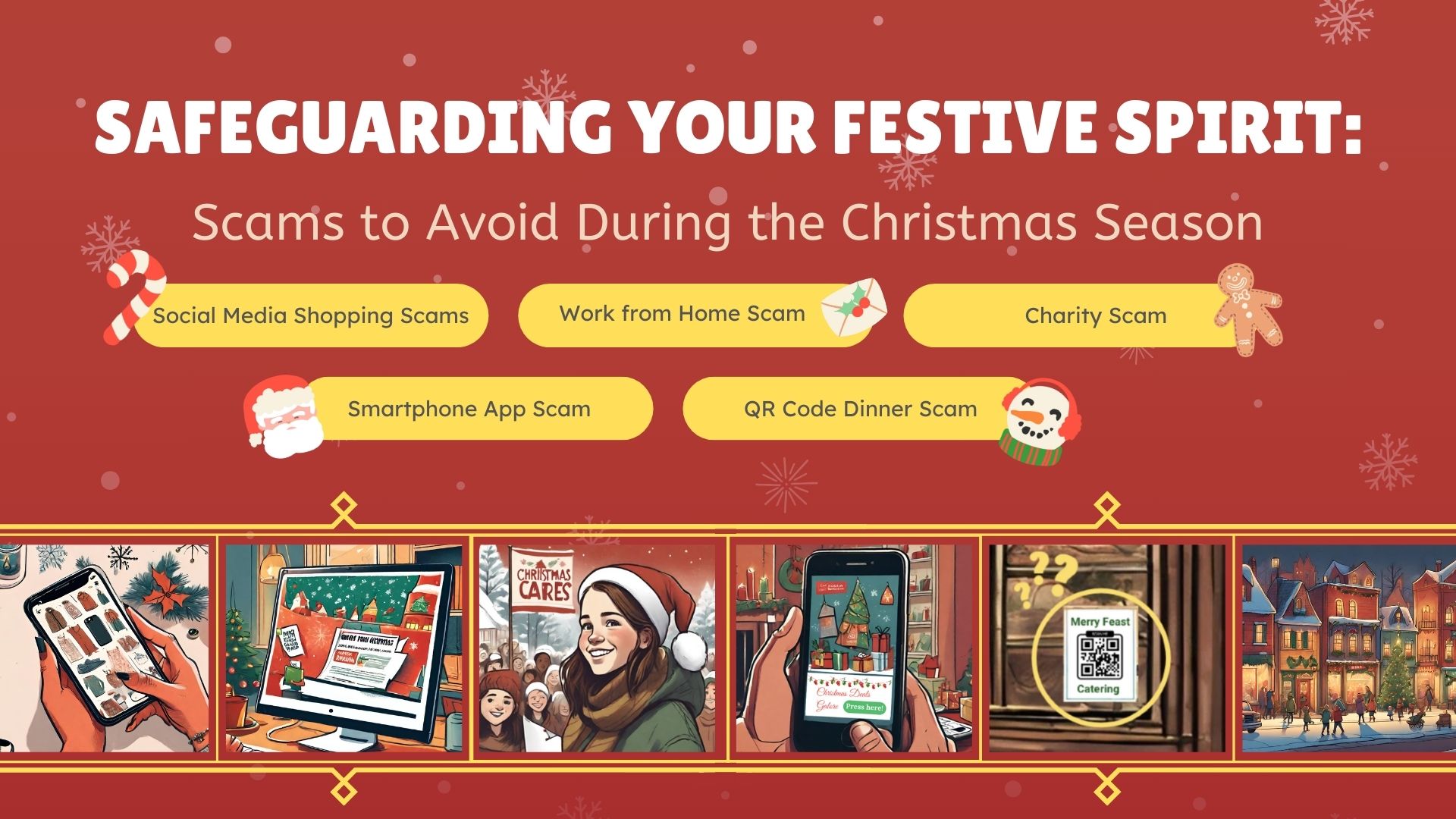
 For more examples of how cybercriminals exploit the holidays, take a look at our blog Safeguarding Your Festive Spirit: Scams to Avoid During the Christmas Season. It shares five short Christmas stories that reveal just how creative scams can be — from fake parcel updates to fraudulent online shopping deals — and what you can do to avoid them.
How Overt Helps Organisations Stay Secure During the Holidays
The holiday season shows how fragile access security can be when systems aren’t properly protected. The Target breach is a reminder that even trusted vendors can become weak points, and that a lack of monitoring during quieter periods can let problems spiral. The good news is that these risks can be managed with the right tools and planning.
What Overt Provides | Why It Matters | How It Helps During the Holidays |
Single Sign-On (SSO) | Reduces password fatigue and improves user experience | Staff use one secure login to access all systems, saving time and avoiding risky shortcuts |
Multi-Factor Authentication (MFA) | Prevents unauthorised logins even if credentials are stolen | Adds an extra layer of protection when phishing attacks spike in December |
Granular Access Controls | Limits who can access sensitive data and systems | Ensures vendors or temporary users only have access to what they need, for as long as they need it |
Monitoring & Logging | Detects unusual behaviour quickly | Sends alerts for suspicious logins, even when IT teams are on reduced holiday staffing |
Backups & Hosting Resilience | Keeps critical platforms online and recoverable | Guarantees continuity for systems like LMS or portals, even if issues arise |
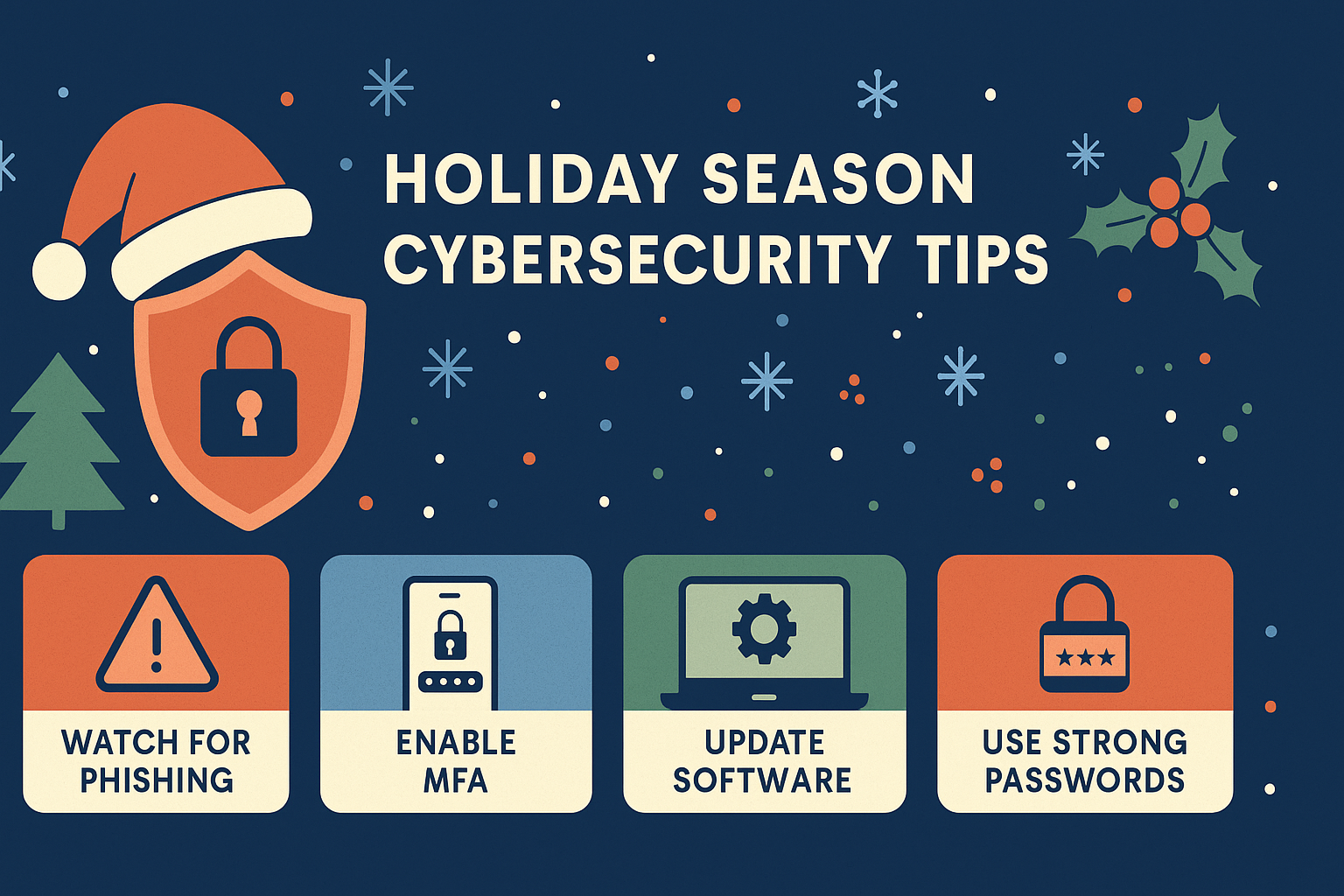
With these safeguards in place, your organisation can step into the holiday period with confidence — and return in January ready to focus on growth, not damage control.
 Ready to secure your systems for the festive season? Contact Overt Software Solutions today to prepare for a safer holiday and a stronger new year.