
In the current digital age, universities serve as vital hubs for research, innovation, and learning. These academic institutions manage vast amounts of sensitive data, which makes them significant targets for cyber criminals. Phishing remains a primary threat as attackers look for ways to infiltrate secure systems and steal valuable credentials.
Ensuring the safety of students and staff requires a robust approach to digital identity that goes beyond simple passwords. Traditional login methods are often the weakest link in a network. When a user falls for a deceptive email, the entire institution can be at risk. By adopting advanced technologies, universities can create a fortified perimeter that preserves academic freedom while stopping unauthorised access.
Modern security frameworks focus on verifying every person who attempts to reach university resources. This transition to more secure systems is not just about blocking threats but also about creating a smoother experience for the campus community. As we look at the evolving landscape of cyber security, the combination of multiple security layers proves to be the most effective defence against modern exploitation.
Understanding the Phishing Landscape in Academia
Universities are prime targets for cyber criminals because they house a wealth of personal data and intellectual property. The open nature of academic communication often makes it easier for attackers to blend in. Phishing campaigns in the education sector have become increasingly sophisticated for several reasons:
- Criminals impersonate internal announcements to trick staff into revealing credentials.
- Attackers target specific individuals who have access to high value research or sensitive records.
- Messages often create a sense of urgency to bypass careful thought and verification.
- The large number of users across various departments increases the chance of a successful breach.
Imagine a faculty member receiving an urgent request to verify their account details or lose access to their research files. The pressure of a deadline might lead them to click a link without checking the destination. This single action can provide a foothold for an attacker to move through the university network. Without additional layers of protection, a stolen password is often all that is required to cause significant disruption.
The Strategic Value of Single Sign On
Implementing single sign on is a critical step in modernising university security. This technology allows users to access various digital resources with one set of credentials. For a student, this means they only need to remember one password for their email, library services, and learning platforms.
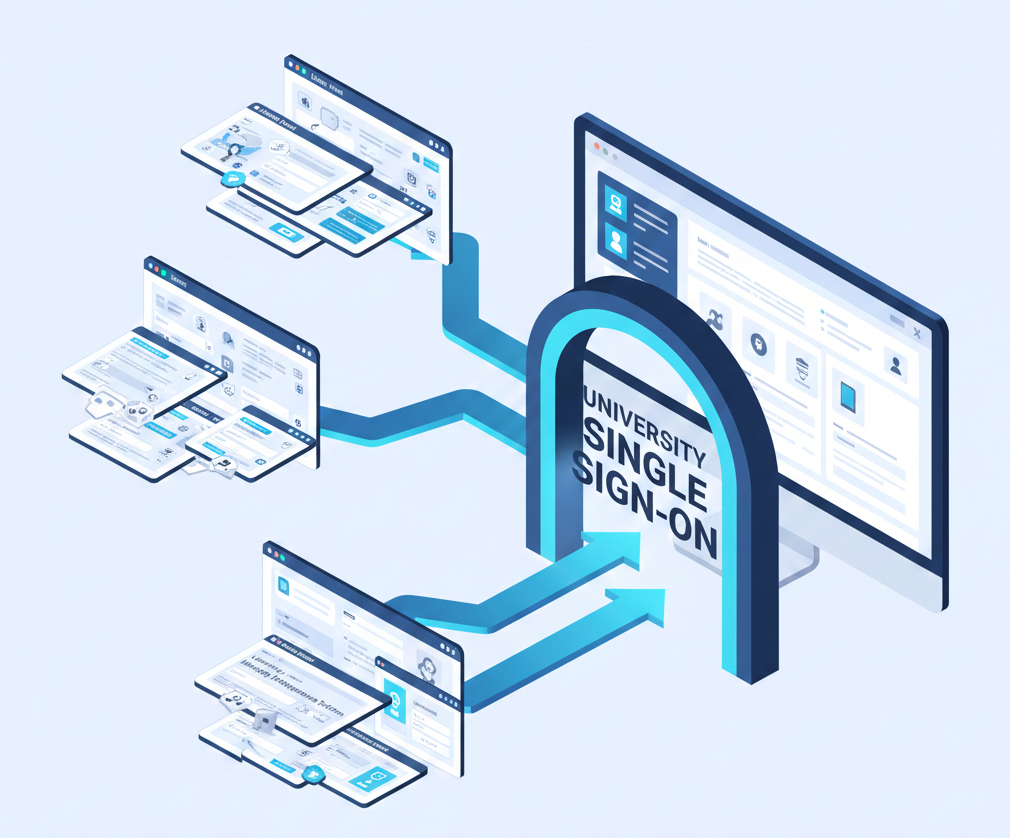
From a security perspective, single sign on reduces the number of potential entry points that an attacker can target. It allows IT administrators to enforce strict security policies at a single point of entry. When authentication is centralised, it becomes easier to monitor for unusual patterns and respond to threats in real time. This unified approach also enhances the user experience by removing the frustration of managing multiple passwords, which in turn reduces the likelihood of people using weak or repeated passwords across different sites.
Adding the Second Layer Multi Factor Authentication
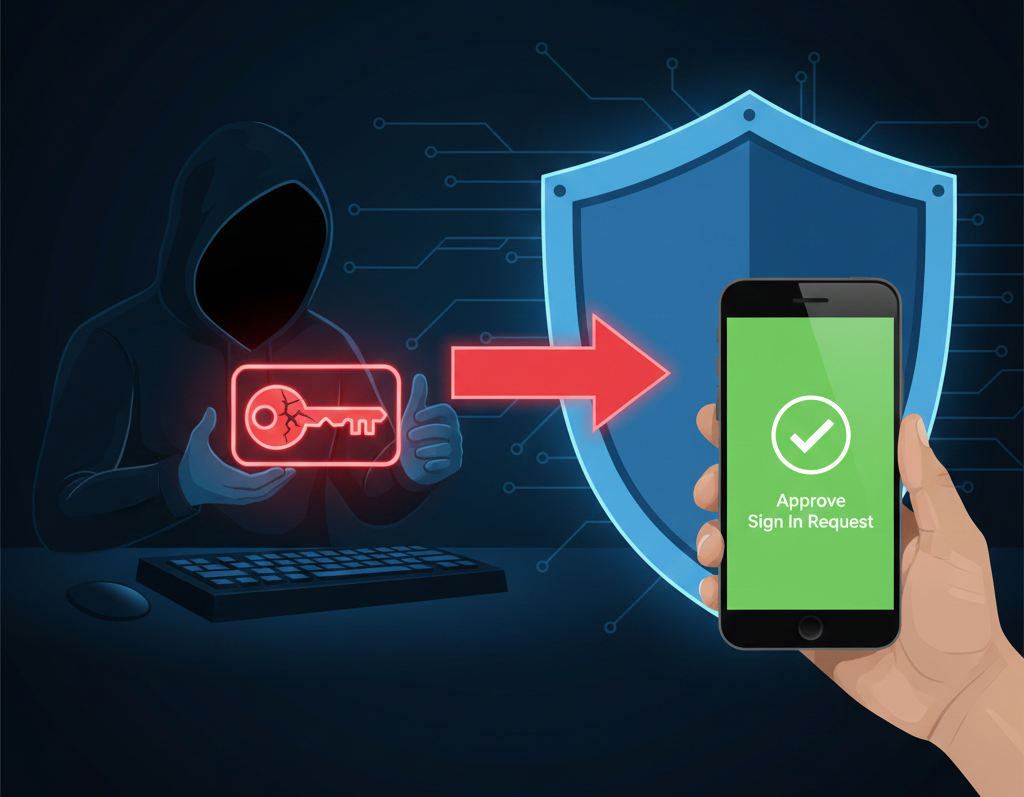
While single sign on provides a secure entrance, multi factor authentication acts as a vigilant guard at the door. This security method requires users to provide two or more forms of evidence to prove their identity. In a university setting, this typically involves something the user knows, such as a password, and something the user has, such as a mobile phone or a security token.
The effectiveness of this approach lies in its ability to stop an attack even if a password is stolen. If a student accidentally provides their login details to a phishing site, the criminal still cannot access the account without the second factor. This extra step provides peace of mind for both the individual and the IT department.
Many modern systems allow for a seamless experience where a user simply taps a notification on their smartphone. This removes the need to type in long codes and makes the process of securing an account feel like a natural part of the digital day. By implementing this across all academic services, universities can block the vast majority of automated attacks and significantly reduce the success rate of targeted phishing campaigns.
Case Study: The University of Cumbria Unified Security Transition
The University of Cumbria serves as a primary example of how higher education institutions can modernise their security infrastructure to combat evolving digital threats. By moving away from fragmented systems and adopting a centralised approach, the university has successfully fortified its defences against sophisticated phishing campaigns.
The institution managed a complex web of platforms for distance learning, research databases, and administrative tasks. Each system required a separate login, which led to significant security gaps. By partnering with external specialists, the university deployed a comprehensive identity management framework based on the Shibboleth federation protocol.
Performance and Security Outcomes
Security Area | Previous Challenge | Improved Solution |
Credential Security | Stolen passwords through phishing | Multi factor authentication verification |
User Access | Multiple separate logins | Centralised single sign on portal |
IT Management | High support ticket volume | Streamlined identity administration |
Data Protection | Difficulty monitoring access | Real time usage dashboards |
The results were immediate and impactful. Within a short period, the university reported a dramatic decrease in successful phishing attempts. The centralised system provided the IT team with a clear view of login patterns, allowing them to identify and block threats before they could spread. Furthermore, students and staff appreciated the simplicity of accessing all their resources with a single, highly secure identity.
Read the full success story by pressing the button below:

Key Takeaways
The success of the University of Cumbria demonstrates that robust security does not have to come at the expense of user convenience. Higher education institutions must continue to evolve their digital strategies to stay ahead of sophisticated threats. By combining single sign on with multi factor authentication, universities can protect their valuable data while providing a seamless digital experience for the entire academic community.
Overt Software Solutions provides the technical expertise and support needed to implement these advanced security measures within any educational environment. The team helps organisations navigate the complexities of identity management to ensure that students and staff remain protected from modern phishing attacks.